Dental Care in Geneva: The Complete Guide for Expats and Locals 2026
Switzerland has one of the world’s most expensive -- and most admired -- dental systems. If you live in Geneva or plan to move here, understanding how Swiss dentistry actually works will save you thousands of francs, a lot of confusion, and a few painful surprises. This guide walks through everything: the system, the prices, the insurance, the quality standards, and how to find a clinic that treats you like a long-term patient, not a tourist.
How the Swiss Dental System Works
Unlike most of Europe, Switzerland runs a fully private dental system. There is no public dental service for adults, no NHS-style network, and no mandatory basic coverage. Dentists are self-employed professionals who set their own appointments, their own hours, and -- within a published framework -- their own fees. Patients pay the clinic directly and then claim from any private supplementary insurance they hold.
The framework that keeps prices predictable is the Swiss dental tariff, maintained by the Societe Suisse d’Odonto-stomatologie (SSO). Every procedure is broken down into points (“Taxpunkte”). The clinic multiplies the points by a point value (“Taxpunktwert” -- TPW) that depends on the patient category. In 2026 the Geneva TPW sits around CHF 1.00 for basic social cases, CHF 3.10 for standard private patients, and higher for complex specialist work. That system is why two SSO dentists across Geneva will quote almost identical prices for the same treatment.
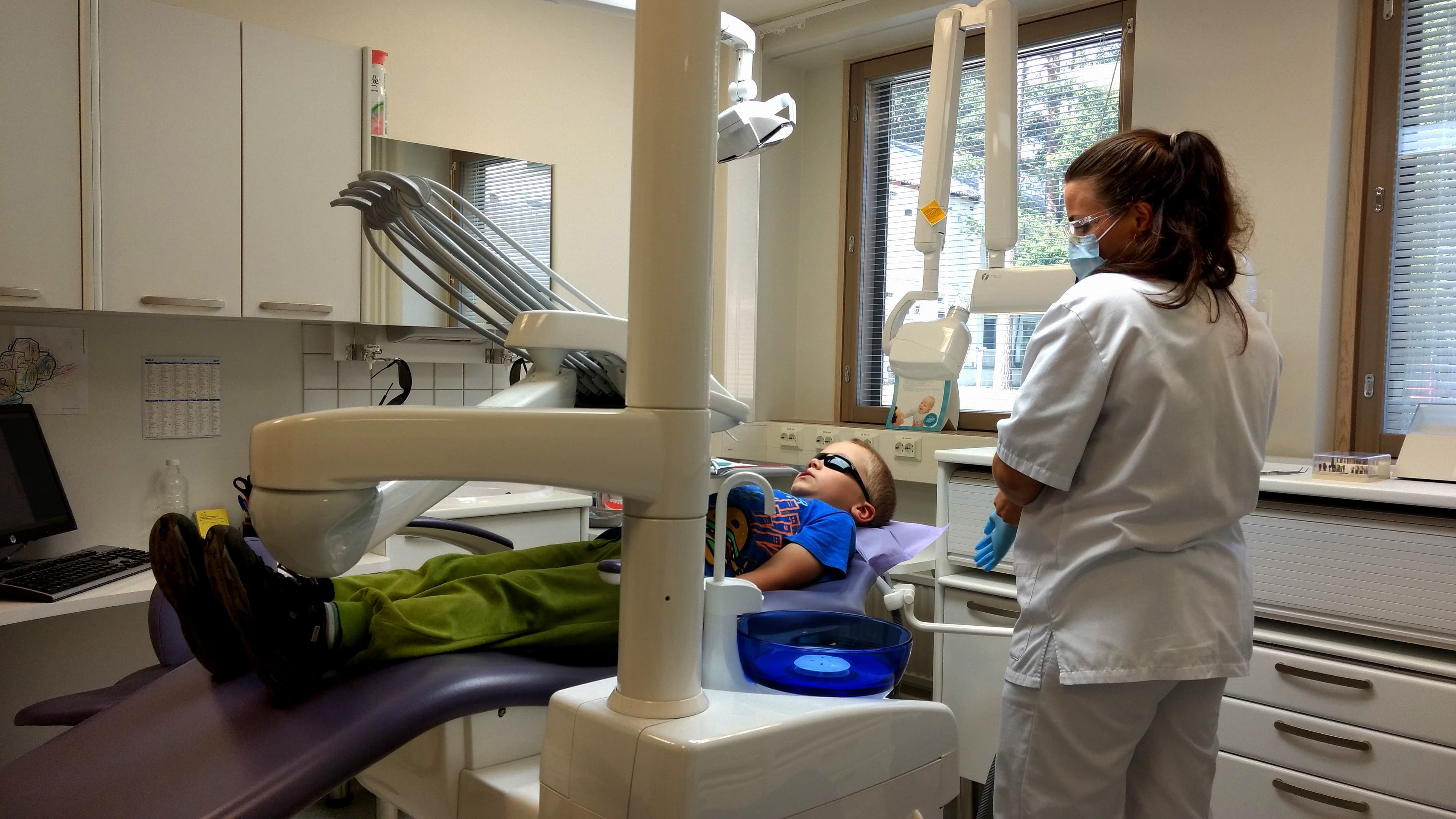
The system has three big consequences for you as a patient. First, you always get a written cost estimate (“devis”) before any treatment above roughly CHF 500 -- this is required by law for patients filing insurance claims. Second, you are free to switch dentists at any time without referrals or gatekeepers. Third, you can ask for a second opinion at another SSO clinic before agreeing to major work, and most dentists encourage it.
Children are the exception: most Geneva communes offer subsidized school dental screenings (“service dentaire scolaire”) for residents up to age 18, typically for a symbolic CHF 30 to 80 per year. Ask your commune’s service de la jeunesse for details.
Finding the Right Dentist in Geneva
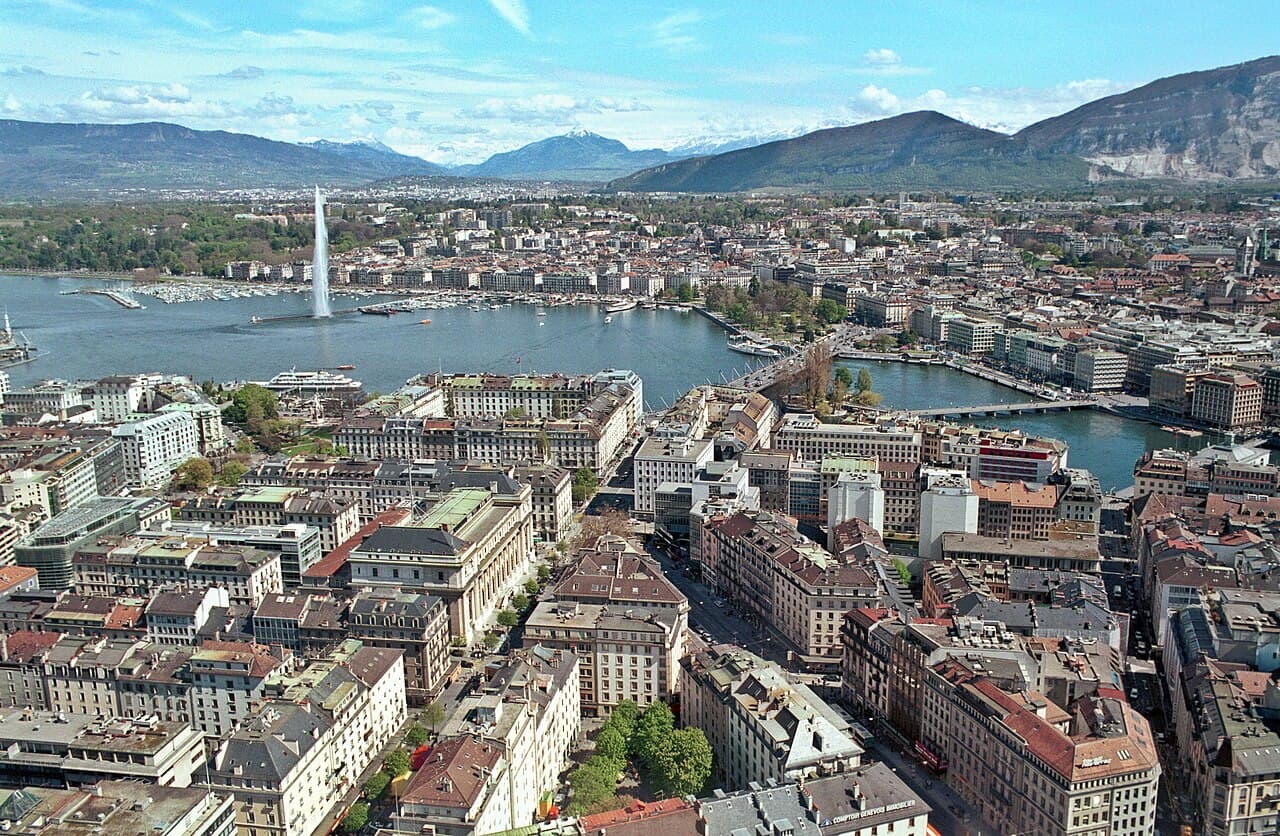
Geneva has roughly 500 practising dentists for a population of about 510,000 -- one of the highest ratios in Europe. You are not short on options. The challenge is choosing a clinic that is (a) technically excellent, (b) transparent about costs, and (c) a good fit for your language and scheduling needs.
Here is the short checklist every long-term Geneva resident eventually builds:
- -SSO membership -- look for the SSO logo on the website or in the waiting room. It is your guarantee of tariff compliance and peer review.
- -Federal diploma -- every Swiss dentist must hold a diplome federal de medecin-dentiste or an equivalent recognized by the MEBEKO commission. Ask if unsure.
- -In-house specialists -- prefer a clinic that has an implantologist, a periodontist, an endodontist, and a hygienist under one roof. Fewer referrals, better continuity of care.
- -Modern imaging -- 3D cone beam CT (CBCT), intra-oral cameras, digital scanners for crowns. These are standard in top Geneva clinics.
- -Languages -- confirm English if that matters. Most UN-area clinics quietly work in 5 to 7 languages.
- -Opening hours -- evening and Saturday slots are rare in Geneva but worth finding if you commute to Lausanne, Lyon, or Annemasse.
For expats, the three most trusted directories are the SSO member search, the review pages on Google Maps (sort by “most recent”, not “most relevant”), and the recommendation threads on Glocals.com and InterNations Geneva. Take any single review with a grain of salt; look for patterns across a dozen or more.
Swiss Dental Insurance: LAMal vs. Complementary
This is the section that trips up every new arrival. Swiss basic health insurance -- LAMal in French, KVG in German -- is mandatory, expensive (around CHF 350 to 600 per adult per month in Geneva in 2026), and does not cover routine dental care. Not cleanings, not fillings, not crowns, not implants, not orthodontics. Nothing.
LAMal only pays for dental treatment in three narrow scenarios defined in Article 31 of the law on health insurance (LAMal Art. 31):
- Dental damage from a serious general illness -- for example, treatment of oral infections during chemotherapy, or reconstruction after jaw-related cancer surgery.
- Dental damage unavoidably caused by medical treatment -- such as after radiation therapy to the head and neck.
- Dental accidents that are not already covered by your compulsory accident insurance (LAA/UVG) -- for example, a retired person who trips and breaks a front tooth.
For everything else, you need private complementary dental insurance (“assurance complementaire dentaire”) from a company like Helsana, CSS, Sanitas, Groupe Mutuel, or Swica. A typical adult policy costs between CHF 25 and CHF 90 per month and reimburses 50 to 80 percent of approved dental costs, usually with an annual ceiling of CHF 1,000 to 5,000. Insurers require a waiting period (often 6 to 12 months) and a written dental status before the policy starts -- teeth that already need work will be excluded. The earlier you sign up after moving to Switzerland, the better your coverage will be.
| Coverage type | Who pays | Typical reimbursement | When it helps |
|---|---|---|---|
| LAMal / KVG (basic) | Mandatory, you | 0% for routine care | Only medical exceptions (Art. 31) |
| Accident insurance (LAA/UVG) | Employer (if working) | Up to 100% | Dental injury from an accident |
| Complementary dental | Private, voluntary | 50 to 80% | Check-ups, fillings, crowns, ortho |
| International / expat | Cigna, Allianz, April, etc. | Depends on plan (often 80%) | UN staff, secondments, diplomats |
| Out of pocket | You | 0% | Always the default |
A useful rule of thumb: if you are under 40 and have good oral health, a basic complementary policy at CHF 30 per month barely breaks even. If you have implants, missing teeth, or a history of gum disease, the extra coverage starts paying for itself quickly.
Typical Treatment Costs in CHF (2026)
The table below shows realistic 2026 Geneva prices for a standard private patient. These are based on the SSO tariff with a point value around CHF 3.10, the most common quote from downtown clinics in the 1st to 3rd arrondissement. Expect 10 to 20 percent lower in outer communes (Carouge, Vernier, Meyrin) and 15 to 30 percent higher at specialist practices on Rue du Rhone and around Place des Eaux-Vives.
| Treatment | Typical price range (CHF) | What is included |
|---|---|---|
| First consultation + exam | 150 - 250 | Clinical exam, 2-4 bite-wing X-rays, plan |
| Panoramic X-ray (OPG) | 90 - 150 | Full jaw digital image |
| 3D cone beam CT (CBCT) | 250 - 450 | Required for implants & wisdom teeth |
| Professional hygiene (cleaning) | 150 - 250 | Scaling, polishing, fluoride varnish |
| Small composite filling | 180 - 350 | 1-2 surfaces, tooth-colored |
| Large composite filling | 350 - 600 | 3-4 surfaces, cusp coverage |
| Root canal (front tooth) | 650 - 1,000 | Single canal, microscope |
| Root canal (molar) | 1,200 - 2,000 | 3-4 canals, microscope, 2 visits |
| All-ceramic crown (zirconia or e.max) | 1,200 - 2,200 | Swiss lab, CAD/CAM, 2 visits |
| Single dental implant (complete) | 3,500 - 6,000 | Surgery + abutment + crown |
| Wisdom tooth extraction | 300 - 700 | Simple to complex, local anesthesia |
| In-office teeth whitening | 500 - 900 | One session, up to 8 shades |
| Invisalign (full treatment) | 4,500 - 8,500 | 12-18 months, retainers included |
| Fixed metal braces | 5,500 - 9,500 | 18-24 months, follow-up visits |
| Full denture (per jaw) | 2,500 - 4,500 | Acrylic, Swiss lab, fitting visits |
| Night-time surcharge | + 65 | 8pm - 8am |
| Sunday / public holiday surcharge | + 45 | On top of base tariff |
These prices sit about 30 to 50 percent higher than France (Annemasse, Ferney-Voltaire), 40 to 60 percent higher than Italy, and 2 to 4 times higher than Hungary, Portugal, or Turkey. Nobody pretends Geneva is cheap -- but the quality gap is real, and for most routine care the cost differential with neighboring France is closer to the cost of a single return trip.
Preventive Care and What to Expect
Swiss dentists are famously prevention-obsessed. The reasoning is simple economics: paying CHF 200 twice a year for a hygiene visit is much cheaper than a CHF 1,500 crown later. The SSOrecommends a full check-up and professional cleaning every 6 to 12 months for healthy adults, and every 3 to 4 months for patients with diabetes, periodontal disease, implants, or orthodontic appliances.
A typical Geneva preventive visit takes 45 to 60 minutes and includes:
- -Medical history review and blood pressure check
- -Full visual exam with probing of every tooth and pocket depth measurement on each gum site (periodontal charting)
- -Oral cancer screening of the tongue, cheeks, floor of the mouth, and throat
- -Digital X-rays -- bite-wings every 2 years, panoramic every 3 to 5 years
- -Professional scaling (ultrasonic + hand instruments) and polishing by a certified dental hygienist
- -Fluoride varnish application and personalized home-care advice
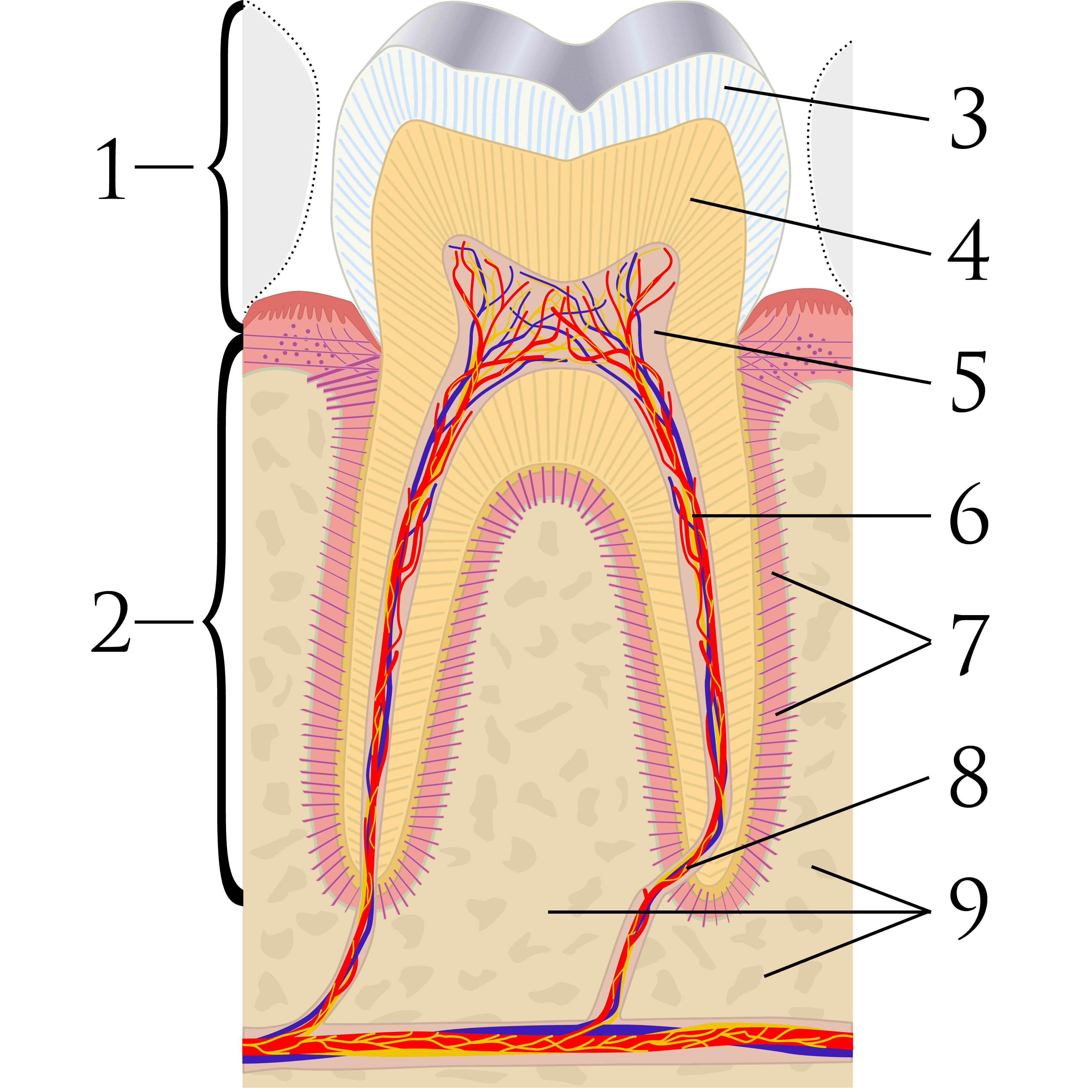
At home, Swiss hygienists almost universally recommend an electric toothbrush (oscillating or sonic), interdental brushes or floss every evening, and a fluoride toothpaste of at least 1,450 ppm. Mouthwash is optional; interdental cleaning is not. Studies from the University of Bern suggest that adding interdental brushes to daily brushing reduces gingival bleeding by roughly 30 percent within 4 weeks.
Common Procedures Explained
Here is what actually happens during the most common treatments you will encounter in Geneva, in plain language. Swiss dentists are known for being unusually thorough with explanations -- expect a mirror, a screen, and a diagram rather than a rushed summary.
Cleaning (prophylaxis)
Performed by a dental hygienist, not the dentist. Ultrasonic vibration loosens hard tartar, then hand instruments polish the tooth necks where a toothbrush cannot reach. Zero pain for most patients -- mild sensitivity for people with gum recession. Duration: 45 minutes. Cost in Geneva: CHF 150 to 250.
Composite filling
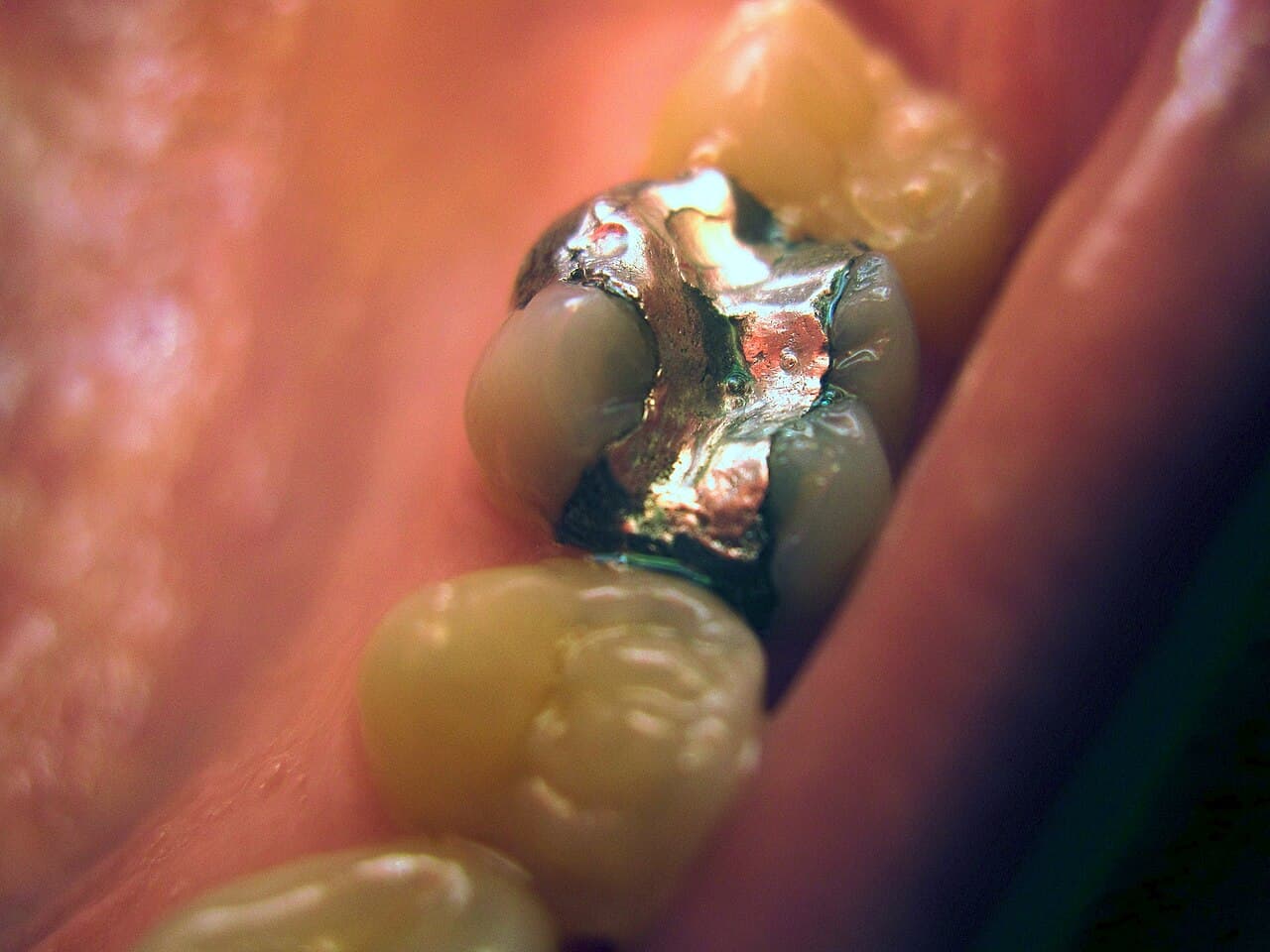
The decay is removed with a small rotary bur under local anesthesia, the cavity is etched and bonded, and tooth-colored composite resin is placed in layers and hardened with a blue curing light. Amalgam (silver) fillings are now extremely rare in Switzerland -- banned for pregnant women and children and phased out in most private clinics. A small filling takes 20 to 30 minutes. Cost: CHF 180 to 600 depending on size.
All-ceramic crown
The damaged tooth is reshaped under anesthesia, a digital scan or traditional impression is taken, and a Swiss dental laboratory manufactures a custom crown out of zirconia or lithium disilicate (e.max). A temporary crown protects the tooth for 7 to 14 days, then the final crown is cemented permanently. Expected lifespan: 10 to 20 years when cared for properly. Cost: CHF 1,200 to 2,200.
Dental implant
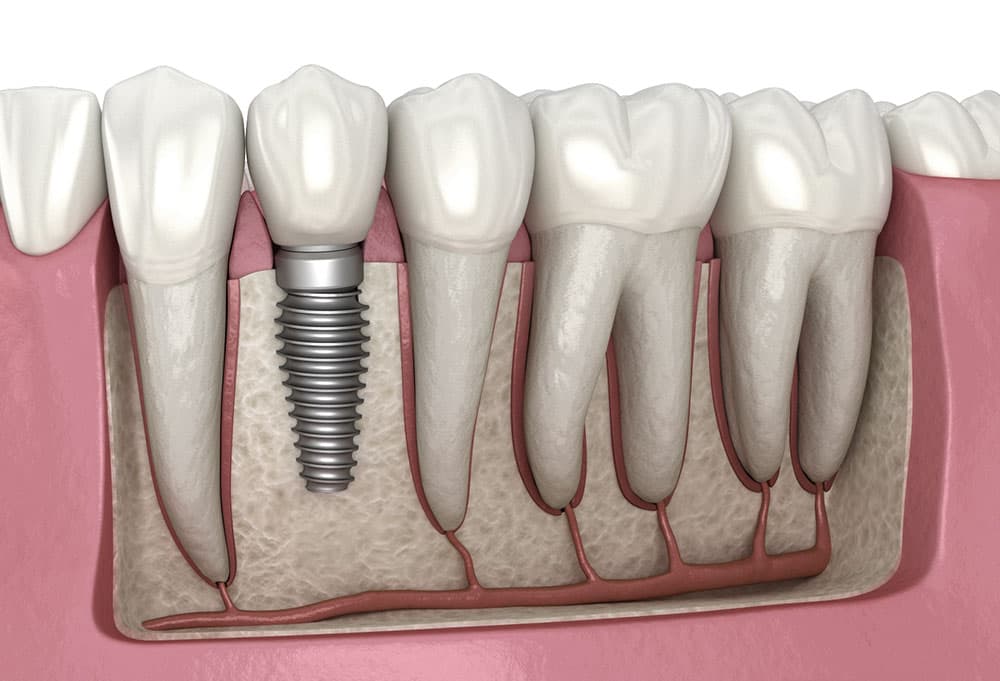
The gold standard for replacing a missing tooth. A titanium screw is surgically placed in the jaw bone, left to heal (“osseointegrate”) for 2 to 4 months, and then topped with an abutment and a ceramic crown. Success rates in Switzerland using Straumann or Nobel Biocare implants are above 95 percent at 10 years. Complex cases may need bone grafting (+ CHF 800 to 2,500) or a sinus lift (+ CHF 1,500 to 3,500). Full treatment time: 3 to 6 months for a simple case, up to a year for a complex one.
Root canal (endodontic treatment)
The inflamed pulp is removed, the canals are shaped and disinfected, and a filling seals them. Modern Swiss endodontics uses rotary nickel-titanium instruments and an operating microscope -- the difference between a microscope-assisted and a conventional root canal is a success rate of about 95 percent versus 85 percent at 5 years. You will usually need a crown afterwards to protect the tooth from fracture.
Professional teeth whitening
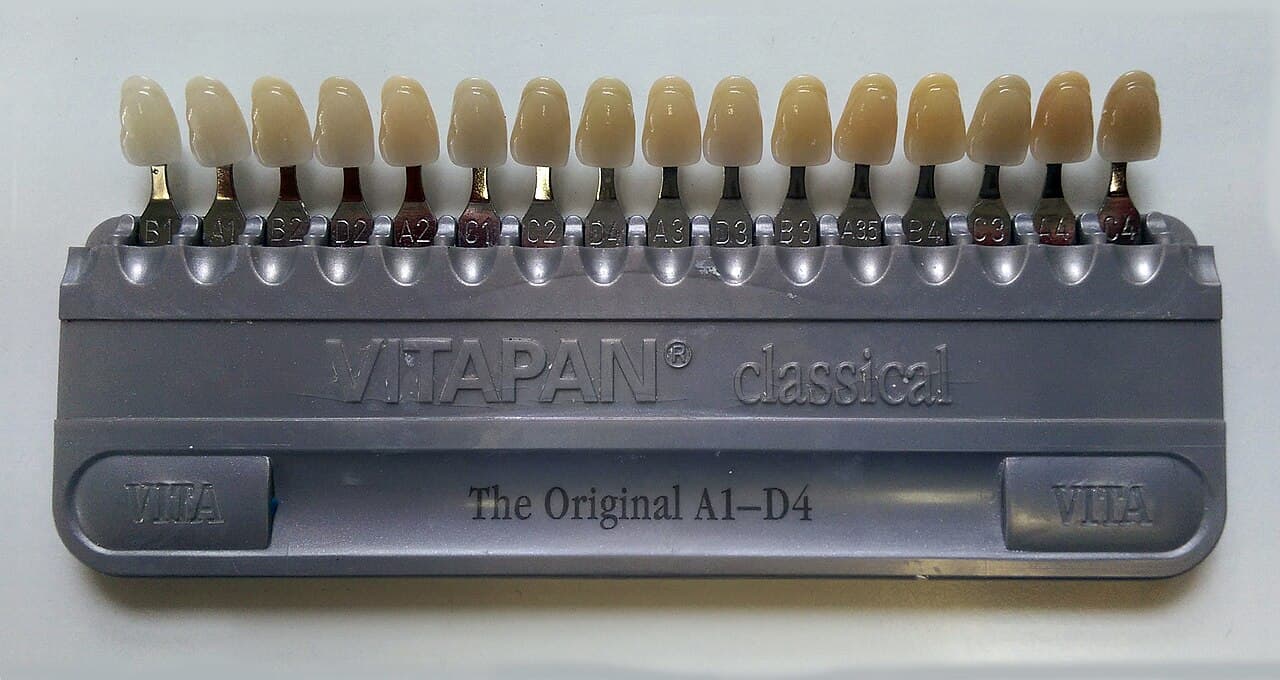
In-office whitening uses hydrogen peroxide gel (25 to 40 percent concentration) applied directly to the teeth, sometimes activated by an LED lamp. One session of 60 to 90 minutes can brighten teeth by 4 to 8 shades on the VITA scale. Home whitening with custom trays takes 2 to 3 weeks and is gentler but slower. Both methods are safe under professional supervision; over-the-counter strips bought online are a lot less effective and risk gum irritation.
Invisalign and clear aligners
A 3D scan of your bite is sent to Invisalign’s Swiss branch, which manufactures a series of 15 to 60 transparent aligners that shift the teeth a fraction of a millimeter every two weeks. You wear each set for 22 hours a day, remove them for meals, and check in with the dentist every 6 to 10 weeks. Average treatment: 12 to 18 months, with retainers needed for years afterwards to keep the result stable.
Why Swiss Dentistry Is World-Class
Switzerland is a small country -- but an outsized amount of the world’s dental industry lives here. Three of the largest implant manufacturers on earth (Straumann, Nobel Biocare, Dentsply Sirona Implants) have major operations within a two-hour drive of Geneva. Two of the best dental schools in the German-speaking world (University of Bern, University of Zurich) publish more papers per capita on implantology and periodontology than almost any other faculty. And the Swiss dentists who work in Geneva studied in that ecosystem.
There are six concrete reasons Swiss dentistry consistently ranks at the top of international quality surveys:
- Five-year university degree. Every Swiss dentist has a federally recognized Master of Dental Medicine (MDM) from one of four faculties (Bern, Basel, Geneva, Zurich). There is no shortcut.
- Mandatory continuing education. SSO members must log 80 hours of continuing education every two years and renew their tariff certification.
- Strict infection control. Swiss clinics follow the Swissmedic and SSO sterilization guidelines, which are among the most detailed in Europe (steam autoclaves at 134 deg C, documented cycles, single-use disposables wherever possible).
- Swiss labs and materials. Crowns, bridges, implants, and ceramic inlays are usually milled in certified Swiss dental laboratories under ISO 13485, not outsourced to anonymous offshore suppliers.
- Peer review and mediation. Patients can file complaints with the SSO Ethics Commission and obtain a free expert opinion. Few other countries have an equivalent mechanism.
- Data transparency. Swiss health statistics (BFS) publish per-procedure averages -- dentists know how their prices and outcomes compare to the national benchmark.
“Swiss dentistry is expensive because it is built on a five-year university training, Swiss-made materials, certified local laboratories, and mandatory quality control. The SSO tariff is not a price fix -- it is a transparency tool that lets patients compare like for like.”
Emergency Dental Care in Geneva
A dental emergency is any situation causing severe pain, heavy bleeding, swelling, or the loss of a tooth. If you are in the Geneva canton and need help outside normal working hours, you have four main options:
| Situation | Where to go | When |
|---|---|---|
| Regular daytime pain | Your own dentist (same-day slot) | Mon-Fri working hours |
| Weekend / evening pain | HUG dental emergency (Rue Barthelemy-Menn 19) | 24/7 service |
| Facial swelling + fever | HUG emergency department | Immediately |
| Knocked-out permanent tooth | HUG dental emergency within 60 min | Immediately -- the tooth can be reimplanted |
| Life-threatening trauma | Call 144 | Immediately |
A knocked-out adult tooth is the one emergency where minutes matter. Pick the tooth up by the crown (never the root), rinse it gently with cold milk or saline (never tap water), and either put it back in the socket or keep it in a small container of milk while you travel to the clinic. Teeth reimplanted within 30 minutes have a success rate above 85 percent; after 90 minutes the success rate drops below 30 percent.
For less dramatic emergencies, the SSO emergency linewill route you to the on-call dentist for your canton. Expect a consultation fee of CHF 150 to 300 plus the usual out-of-hours surcharge.
Dental Tourism: Should You Travel Abroad?
Every Geneva resident has heard the story of the neighbor who “flew to Budapest and got four implants for CHF 6,000 instead of CHF 20,000”. These stories are true. So are the horror stories of patients returning with infections, loose crowns, and no warranty. Here is an honest breakdown:
| Factor | Geneva | Hungary / Turkey | Annemasse / Lyon (France) |
|---|---|---|---|
| Cost (4 implants) | CHF 14,000 - 20,000 | CHF 5,000 - 8,000 | CHF 8,000 - 12,000 |
| Travel cost (2 trips) | 0 | CHF 800 - 1,500 | CHF 80 - 200 |
| Days of work lost | 0.5 - 1 | 4 - 8 | 1 - 2 |
| Warranty (years) | 5 - 10 | 1 - 3 | 3 - 5 |
| Follow-up access | Same clinic | Long-distance | Drive 20 min |
| Legal recourse | Swiss law + SSO mediation | Local law only | French / EU law |
For single crowns, small fillings, cleanings, whitening and check-ups, dental tourism rarely makes sense. The savings are eaten by travel, and you lose the continuity of care that prevents small issues from becoming big ones. For large reconstructions above CHF 20,000 -- full-arch implants, multiple veneers, extensive orthodontics -- the math starts to work, especially for patients with flexible schedules.
A common middle-ground is to cross the border into Annemasse or Ferney-Voltaire, 15 to 20 minutes from the Geneva city center. French dentists in the border zone are used to Swiss patients, speak French (and often English), charge roughly 40 percent less than Geneva, and are still reachable for follow-ups without a flight.
Frequently Asked Questions
Is dental care covered by basic Swiss health insurance (LAMal)?
No. Swiss basic health insurance (LAMal / KVG) does not cover routine dental treatment. It only pays for dental costs that are a direct consequence of a serious illness (such as leukemia), a congenital malformation, or an accident that is not already covered by accident insurance. For everything else -- check-ups, fillings, crowns, implants, orthodontics -- you pay out of pocket unless you have a private supplementary policy.
How much does a simple dental check-up cost in Geneva?
A comprehensive first visit with a new dentist in Geneva typically costs between CHF 150 and CHF 250, including clinical examination, small bite-wing X-rays, and treatment planning. A follow-up cleaning with a certified dental hygienist adds another CHF 150 to CHF 250 depending on the amount of tartar to remove. The Swiss dental tariff (SSO / TARMED-style) uses a point value called the Taxpunktwert -- in Geneva in 2026 it is approximately CHF 3.10 to CHF 3.30 per point for private patients.
How can I find an English-speaking dentist in Geneva?
Geneva is one of the most international cities in the world, with over 40 percent foreign residents and major organizations such as the UN, WHO, WTO, and CERN. Most dentists in Geneva speak French and English, and many also speak German, Italian, Spanish, Portuguese, Russian, or Arabic. The Swiss Society of Odontostomatology (SSO Geneve) maintains a public directory where you can filter by language. Expat communities on Glocals, InterNations, and the Geneva Expats forums regularly share recommendations.
Why are dental implants so expensive in Switzerland?
A single dental implant in Geneva costs between CHF 3,500 and CHF 6,000 for the full treatment (implant, abutment, crown). The reasons are straightforward: Swiss dentists study for five years at university and then complete several years of postgraduate specialization; clinics use premium implant systems (Straumann, Nobel Biocare, both Swiss-manufactured) which carry lifetime guarantees; and Swiss labor, rent, and compliance costs are among the highest in the world. The up-front price buys a 10- to 25-year clinical success rate above 95 percent.
What is the SSO and why does it matter?
The Societe Suisse d'Odonto-stomatologie (SSO) is the professional association of Swiss dentists. Choosing an SSO member clinic gives you three concrete advantages: the dentist must follow the official Swiss tariff (no surprise bills), they commit to continuing education and peer review, and disputes can be brought to a free mediation service. About 90 percent of Swiss dentists are SSO members. Look for the SSO logo in the waiting room or on the clinic website.
Should I fly abroad (Hungary, Turkey, Spain) for cheaper dental work?
Dental tourism can save 50 to 70 percent on large treatment plans (multiple implants, full-arch reconstructions), but the hidden costs are real: two or three return flights to finish the case, time off work, no legal recourse in Switzerland if something goes wrong, and the same Swiss dentist often charging a premium to repair foreign work later. For small routine treatments the savings disappear once you add travel and accommodation. Dental tourism makes financial sense mainly for full-mouth reconstructions above CHF 20,000, and only if you choose a clinic certified by an international body such as ISO 9001 or the European Dental Association.
What should I do if I have a dental emergency in Geneva on a Sunday or at night?
Geneva has an organized dental emergency service. During the day, call your regular dentist first -- most reserve same-day slots for acute pain. Outside working hours, on weekends, and on public holidays, the cantonal emergency dental service runs out of the HUG (Hopitaux Universitaires de Geneve) dental clinic at Rue Barthelemy-Menn 19, 1205 Geneva. For severe trauma (knocked-out tooth, major bleeding, facial swelling with fever), go directly to the HUG emergency department or call 144. Expect to pay an out-of-hours surcharge of CHF 45 to CHF 150 on top of the treatment fee.
Do Swiss dentists accept foreign insurance?
Yes, but the workflow is different. Most Geneva dentists operate on a "pay-and-claim" model: you pay the clinic directly, receive an official invoice with ISO codes (Swiss tariff codes), and submit it to your insurer yourself. For reimbursement from Cigna Global, Allianz Care, April International, or similar expat insurances, ask the dentist to provide the invoice in English and include diagnosis codes. Some larger clinics in Geneva now offer direct billing to major international insurers -- always confirm before treatment starts.
Book your first Geneva dental visit
Transparent CHF pricing, SSO-tariff compliance, English-speaking team. Get a written quote before any treatment above CHF 500.
Chat on WhatsAppRue du Rhone 60, 1204 Geneva, Switzerland